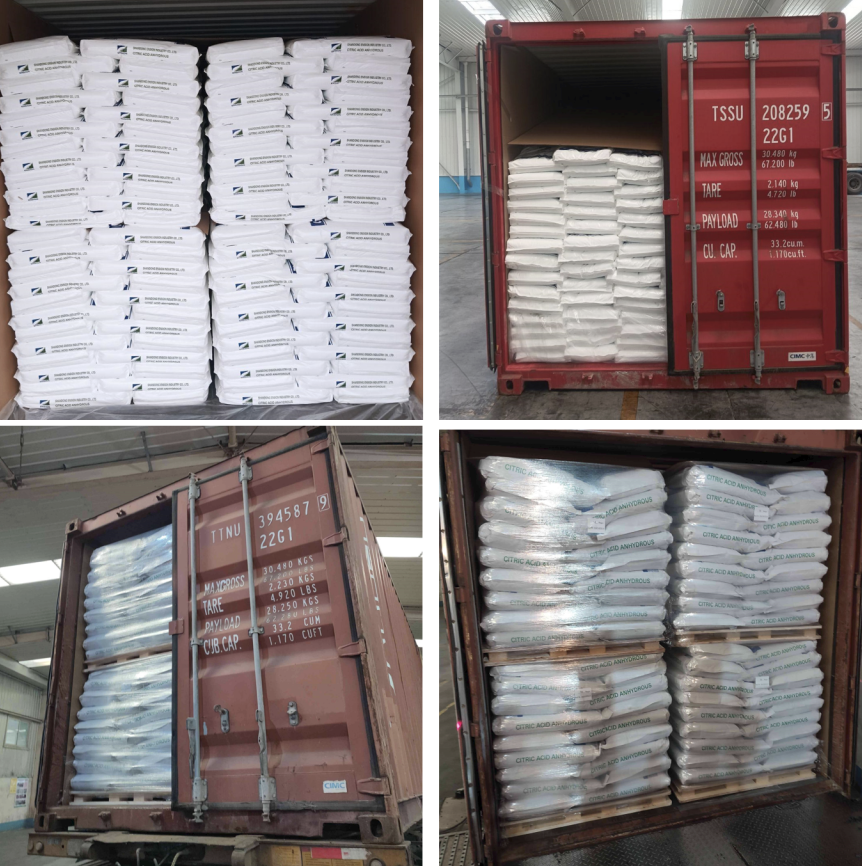
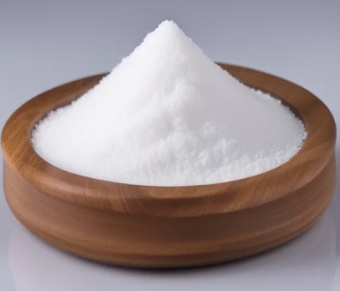
Citric Acid Anhydrous is a white, crystalline organic compound. It is the anhydrous (water-free) form of citric acid, meaning it contains no water molecules in its crystal structure.
Key Properties:
Chemical Nature: A weak organic tricarboxylic acid, naturally found in citrus fruits (e.g., lemons, limes) and produced commercially via microbial fermentation (typically using Aspergillus niger).
Physical Form: Fine, odorless crystals or powder; highly soluble in water and ethanol.
Acidity: Stronger acidic taste compared to its monohydrate counterpart due to the absence of water.
Common Applications:
Food & Beverage Industry:
Used as an acidulant, flavor enhancer, and preservative in soft drinks, candies, jams, and processed foods to regulate pH, add tartness, and extend shelf life.
Acts as a natural antioxidant to prevent browning in fruits and vegetables.
Pharmaceuticals:
Serves as an excipient in medications (e.g., effervescent tablets) to adjust acidity and improve solubility.
Used in anticoagulant solutions for blood collection tubes.
Cosmetics & Personal Care:
Functions as a pH adjuster in skincare products (lotions, shampoos) and bath bombs to stabilize formulations.
Industrial Uses:
Employed in cleaning agents (e.g., descalers for boilers, dishwashers) to remove mineral deposits (limescale).
Used in textile dyeing and electroplating processes to chelate metal ions.