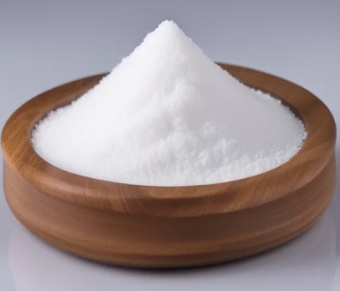
Potassium carbonate (K₂CO₃), commonly known as potash or pearl ash, is an inorganic salt composed of potassium, carbon, and oxygen. It appears as a white, hygroscopic powder or as colorless, odorless crystals. First isolated from wood ashes in the early 18th century, potassium carbonate has long been a key industrial and household chemical.
Major Applications:
Glass and ceramics: A key flux in the manufacture of specialty glass (e.g., optical glass, TV screens) and certain ceramic glazes.
Food industry: Used as a food additive (E501) for pH regulation, moisture retention, and in traditional recipes such as nian gao (Chinese New Year cake) and German gingerbread (Lebkuchen).
Soap and detergent: Employed in soft soap production due to its excellent emulsifying properties.
Agriculture: A potassium source in fertilizers, especially where chloride-sensitive crops are grown.
Chemical synthesis: Serves as a mild alkali in organic synthesis, including the production of dyes and pharmaceuticals.
Gas purification: Used to remove acidic gases like CO₂ and H₂S in industrial gas scrubbing systems.